

Israel carries out 469 raids across the West Bank and closes Al-Aqsa Mosque, the Ibrahimi Mosque, and the Church of the Holy Sepulchre
Ramallah, March 31, 2026
The OIC Media Observatory on Israeli Crimes against Palestinians recorded the killing and wounding of 138 Palestinians in the Gaza Strip and the West Bank between March 24 and 30, 2026. This period also witnessed a significant escalation in settler attacks, in addition to the bulldozing of agricultural lands in the West Bank.
Regarding attacks on the Gaza Strip, the OIC Observatory documented the killing of 17 Palestinians and the wounding of 70. Israeli occupation forces bombed the Al-Sawarha and Deir al-Balah areas in the central Gaza Strip, as well as Khan Younis, which was targeted by drones and gunboats. The Nuseirat refugee camp, the Al-Mawasi camp for displaced persons, the Al-Qarara area north of Khan Younis, and the Beit Lahia project were also targeted. Meanwhile, Israeli forces continued demolishing buildings that had survived the bombing in Gaza.
The number of murdered Palestinians from October 7, 2023, until March 30, 2026, reached 73,422 martyrs and 182,577 injured.
Meanwhile, the Israeli Knesset’s National Security Committee approved a bill to execute Palestinian prisoners after making amendments, and it was moved to the second and third readings required for passage.
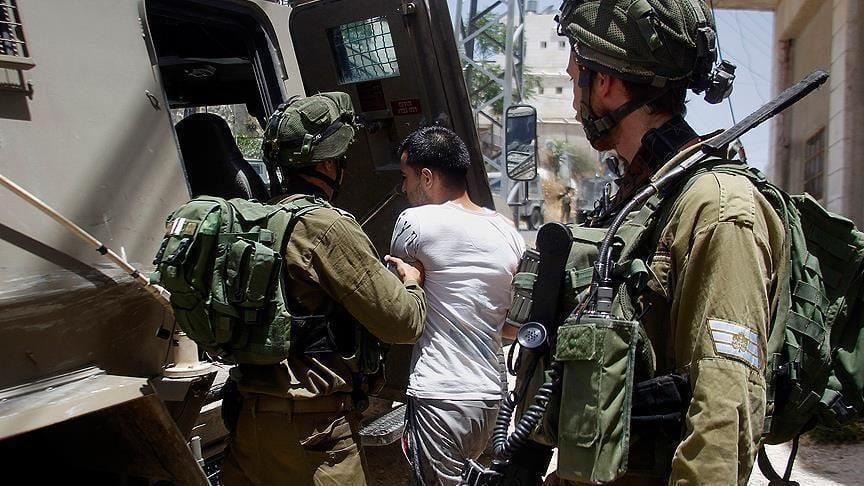
Israeli occupation forces raided cities and villages in the West Bank 469 times, killing 8 Palestinians, wounding 43, and arresting 203. This brings the total number of Israeli crimes committed in a single week to 1,261, spanning various Palestinian areas.
During the raids, the occupation forces demolished 6 houses, 6 barns, a car showroom, and shops in Hebron and Qalqilya, as well as a park and a water tank. They seized 3 houses for security purposes, confiscated land, and bulldozed other land with the aim of confiscating it in Kafr Laqif in Qalqilya. They bulldozed lands in the Umm al-Daliyah area of Hebron, the town of Azzun in Qalqilya, Wadi Yasuf, and the town of Beita in Nablus, near the Ariel settlement, and Kafr Haris in Salfit, uprooting its trees. They uprooted olive trees from a 25,000 square meter plot of land in Jenin, and confiscated two vehicles, money, gold jewelry, mobile phones, and a laptop computer.
Regarding attacks on Palestinian children, Israeli occupation forces killed one child, injured two, and arrested six. Settlers assaulted a child in Nablus. They also damaged the water and electricity networks at the Al-Malih Bedouin School in Tubas. They also stormed the Huwwara Secondary School for Boys and raised the Israeli flag on its roof.
Concerning attacks on places of worship, Israeli occupation forces prevented prayers at the Holly Al-Aqsa Mosque for thirty days. They also prevented prayers at the Ibrahimi Mosque in Hebron. They continued to close the Church of the Holy Sepulchre and prevented the Latin Patriarch, Cardinal Pierbattista Pizzaballa, from entering the church to celebrate Palm Sunday Mass.
Israeli settlers carried out 130 attacks, during which they released livestock into the lands of Palestinian villages 29 times, stole sheep in Tulkarm, three sheep in the village of Duma in Nablus, 30 sheep from the town of Bani Na’im, and 25 sheep in the Al-Rahwa area of Hebron, bulldozed agricultural land in Nablus, uprooted its trees, and also uprooted olive trees in Hebron, set fire to a house, the entrance to a house, agricultural land, and an agricultural barn, cut off water to the valley of the village of Tayasir, stole water hoses, two bulldozers and a vehicle, burned three vehicles and a motorcycle, and damaged six vehicles.
Settlers and occupation forces carried out 11 settlement activities, forcibly displacing residents of 15 homes in the Silwan neighborhood of Al-Quds (Jerusalem) and handing the properties over to settlement associations. Occupation forces also bulldozed agricultural land in Wadi al-Hindi in Bethlehem to construct a settlement road.
Settlers established an outpost in the town of al-Dhahiriya in Hebron and erected a tent near a stone quarry in the town of al-Taybeh in Ramallah, with the aim of closing the facility and seizing the land. They also erected a tent near a house in the village of Beit Ummar in Nablus, another east of Tubas, tents near the wastewater treatment plant in the village of Tayasir, and other tents between the town of Jaba’ and the village of Sanur before being evacuated. They also established greenhouses on land belonging to the village of Sinjil, raised the Israeli flag over a house whose owners they had previously displaced in the town of Beita in Nablus, and bulldozed land in the village of Burin in Nablus, uprooting its trees.